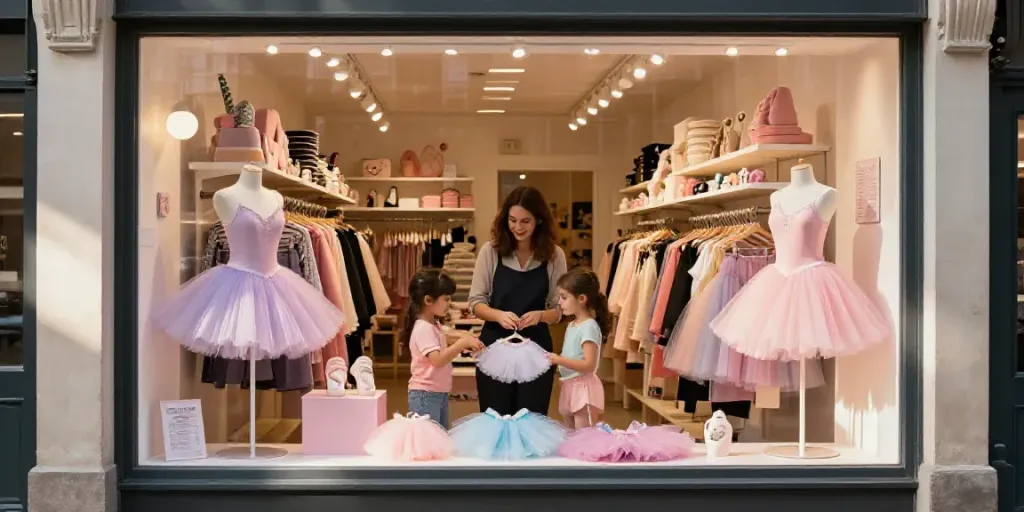
Understanding the Tutu Store Market
The tutu store market has evolved dramatically over recent years, catering not only to the traditional ballet community but also expanding into various special events and fashion segments. This niche market targets a diverse range of customers, including aspiring dancers, parents, and fashion enthusiasts looking for unique and stylish outfits. As the demand for tutus increases, it’s important to understand the trends, customer demographics, and key competitors within this vibrant sector. When exploring options, tutu store offers a variety of choices that reflect current trends and customer needs.
Trends in Dancewear Fashion for 2026
The dancewear industry is experiencing significant transformations as it embraces both functionality and fashion. By 2026, some notable trends expected to shape the tutu store market include:
- Bold Colors and Patterns: Moving away from traditional solid colors, expect to see a wider array of vibrant hues and intricate patterns that attract younger audiences.
- Versatile Styles: Tutus are not just for ballet; styles are evolving to suit casual and formal wear, appealing to a broader customer base.
- Incorporation of Technology: Features like moisture-wicking fabrics and built-in support will become standard, addressing the performance needs of dancers.
- Inclusivity: Brands are focusing on creating products for all body types, enhancing accessibility and attracting a diverse clientele.
Demographics of Tutu Store Customers
Understanding the demographics of tutu store customers is crucial for tailored marketing strategies. Key demographic segments include:
- Age Groups: The primary consumers are children aged 2-12 for dancewear, while adults engage with the market for fashion and performance attire.
- Geographic Variations: Urban areas often see higher sales due to access to dance studios and performances, while rural areas may present opportunities for online growth.
- Income Levels: Families with disposable income are more likely to invest in quality dancewear that combines both aesthetic and functional aspects.
This diverse clientele necessitates a variety of product lines that cater to different tastes and needs, which is central to the success of any tutu store.
Key Competitors in the Tutu Retail Space
In the competitive landscape of tutu retail, several brands emerge as significant players. Notable competitors include:
- Tutu.com: A professional ballet-focused store offering high-quality tutus, costumes, and accessories.
- Tutu's A Dancer's Boutique: Known for providing a wide range of dancewear and personalized customer service.
- The Hair Bow Company: This brand specializes in tutu skirts and accessories, appealing to a broader market that includes special events and costumes.
- Tutu Du Monde: Focused on luxurious, handcrafted designs for children, targeting high-end fashion and special occasions.
Each competitor has carved out a niche, which provides valuable lessons for new entrants into the tutu store market.
Products Offered by Tutu Stores
Types of Tutus and Their Uses
The variety of tutus available in specialty stores caters to different dance styles and occasions, including:
- Ballet Tutus: Classic styles that are essential for ballet performances.
- Party Tutus: Fun, colorful tutus designed for birthday parties and casual wear.
- Costume Tutus: Unique designs meant for theater productions and fancy dress events.
- Custom Tutus: Personalized options that allow customers to choose colors, fabrics, and embellishments tailored to their needs.
Complementary Dance Accessories
Beyond tutus, customers often seek complementary accessories to enhance their overall experience. Common accessories found in tutu stores include:
- Dance Shoes: Various styles including ballet flats, pointe shoes, and jazz shoes.
- Dance Bags: Functional and stylish bags for transporting dance gear.
- Leggings and Leotards: Essential attire that pairs well with tutus for practices and performances.
- Hair Accessories: Tiaras, hairbands, and ribbons to complete the dance look.
Quality vs. Price: Making the Right Choice
One of the critical decisions consumers face is balancing quality and price when selecting tutus. High-quality tutus often use superior fabrics and craftsmanship, which can justify higher prices. However, many budget-friendly options also exist that do not compromise on style or functionality. Key considerations include:
- Material: Look for breathable, durable fabrics that hold their shape.
- Stitching and Construction: Well-constructed tutus can withstand rigorous movements and last longer.
- Brand Reputation: Established brands often provide warranties and returns, adding layers of security to consumer purchases.
Educating consumers on these aspects can help them make informed decisions that align with their budget and expectations.
Shopping Experience at Tutu Stores
In-Store vs. Online Shopping Advantages
The shopping experience can significantly impact customer satisfaction. Both in-store and online shopping have distinct advantages:
- In-Store Shopping: Provides the benefit of trying on tutus for fit and comfort, personalized assistance from staff, and the ability to examine quality firsthand.
- Online Shopping: Offers convenience, a broader selection, and often better pricing due to reduced overhead costs.
Many tutu stores now blend both experiences through services such as virtual fittings or appointments that enhance online shopping.
What to Look for in a Tutu Store
When selecting a tutu store, customers should consider several key factors:
- Product Range: A diverse inventory that includes various styles, sizes, and accessories.
- Customer Service: Knowledgeable staff who can provide fitting advice and dancewear education.
- Return Policy: A clear and user-friendly return policy that allows for exchanges or returns.
- Online Reviews: Positive customer feedback can indicate reliability and quality.
Ensuring these elements are present can greatly enhance customer loyalty and satisfaction.
Creating an Engaging Environment for Customers
For brick-and-mortar tutu stores, the shopping environment plays a vital role in attracting and retaining customers. Effective strategies include:
- Welcoming Atmosphere: A bright, inviting space that showcases products effectively can encourage exploration.
- In-Store Events: Hosting dance workshops or fashion shows can engage the community and drive traffic.
- Visual Merchandising: Creative displays that highlight new arrivals and seasonal trends can entice shoppers.
Creating an engaging environment can significantly enhance the shopping experience, leading to increased sales and customer loyalty.
Marketing Strategies for Tutu Stores
Leveraging Social Media for Engagement
Social media has become a vital tool in the marketing arsenal for tutu stores. Effective strategies include:
- Content Creation: High-quality images and videos showcasing products in use, such as during dance classes or competitions.
- Influencer Collaborations: Partnering with local dancers and choreographers can expand reach to their followers.
- Interactive Campaigns: Engaging customers through polls, contests, and user-generated content to foster community and brand loyalty.
Collaborations with Dance Schools and Community Events
Building partnerships with local dance schools can provide mutual benefits. Collaborations can include:
- Discounted Programs: Offering exclusive discounts to students can promote brand loyalty.
- Sponsored Events: Participation or sponsorship of local dance events can enhance visibility and reinforce community ties.
Seasonal Promotions and Discounts
Seasonal promotions are an effective way to attract customers, especially during peak periods such as back-to-school or holiday seasons. Strategies include:
- Flash Sales: Create urgency with time-limited offers that encourage immediate purchases.
- Bundles: Offer discounts on packaged items, such as tutus and matching accessories, to increase average order value.
Implementing these strategies can drive traffic and encourage higher sales volumes.
Future Trends in the Tutu Industry
Innovations in Fabric and Design
As the tutu market continues to evolve, notable innovations to watch for include:
- Smart Fabrics: Materials that adapt to body temperature or offer increased flexibility and support.
- 3D Printing: Custom tutus and accessories created on demand, allowing for unique designs and faster production times.
The Rise of Sustainable Dancewear
With increased awareness around sustainability, many brands are expected to shift towards eco-friendly materials and ethical production practices. Strategies may include:
- Recycled Materials: Utilizing fabrics made from recycled plastics and fibers.
- Responsible Sourcing: Partnering with suppliers who focus on sustainability and fair labor practices.
Predictions for Tutu Store Evolution by 2026
By 2026, the tutu store market may experience several changes, including:
- Increased E-Commerce Presence: A shift toward online shopping will likely dominate, requiring stores to enhance their digital platforms.
- Customization Options: Customers will seek more personalized products, leading to a rise in custom design services.
- Enhanced Customer Engagement: Using AI and data analytics to tailor marketing messages and improve customer service experiences.
What are the best tutu stores near me?
Finding the best tutu stores often depends on location, availability of products, and customer service. Online reviews and local dance community recommendations can provide insights into the best retail options.
How to choose the right size tutu for my child?
When selecting the right size tutu, parents should consider their child's current measurements, including waist size and height. Most tutu stores provide sizing charts to assist with this process.
Are there online tutu stores that offer custom designs?
Yes, many online tutu stores are beginning to offer customization options. Customers can often select colors, fabrics, and embellishments to create a unique piece.
What materials are best for ballet tutus?
High-quality ballet tutus typically use materials like tulle for the skirt and cotton or lycra for the bodice. These materials provide the necessary structure and comfort for dancers.
Do tutu stores offer shipping or local pickup options?
Many tutu stores provide both shipping and local pickup options, making it convenient for customers to receive their products as needed.