Understanding Automatic Bagging Machines
Automatic bagging machines have revolutionized the packaging industry by providing efficient and error-free solutions for a multitude of products. From food items to pharmaceuticals, these machines play a significant role in enhancing productivity and streamlining operations. As a premier leader among automatic bagging machine manufacturers, Durzerd specializes in delivering state-of-the-art machinery that meets the unique demands of various industries.
What is an Automatic Bagging Machine?
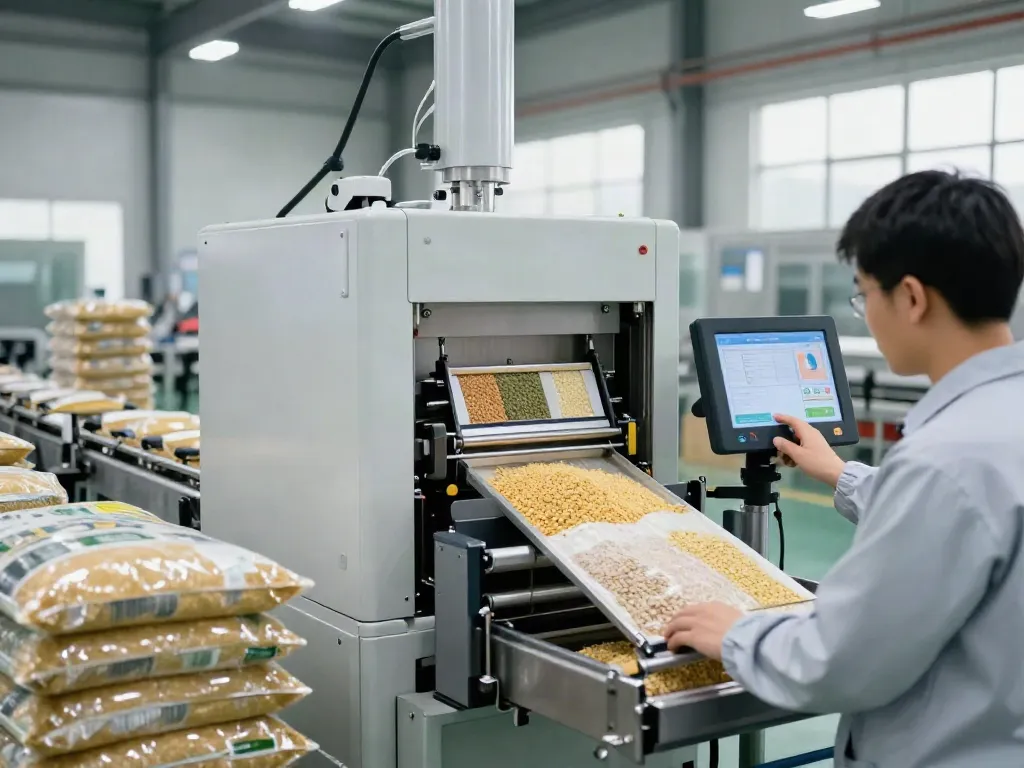
An automatic bagging machine is a sophisticated piece of equipment designed to package products into bags with minimal human intervention. By automating the bagging process, these machines can significantly reduce labor costs, improve speed, and ensure consistency across packaging operations. These machines are adaptable and can handle various types of products, including powders, granules, liquids, and even heavy items.
How Do Automatic Bagging Machines Work?
Automatic bagging machines operate by utilizing a combination of technology that includes sensors, controls, and mechanical systems. The process typically involves the following steps:
- Bag Placement: The machine automatically places a bag on the filling spout or conveyor.
- Filling: Products are dispensed into the bag using volumetric or weight-based systems.
- Sealing: Once filled, the bag is sealed using heat or pressure techniques to ensure integrity.
This streamlined workflow minimizes errors and enhances efficiency, ultimately leading to reduced operational costs.
Key Features of Efficient Bagging Machines
When selecting an automatic bagging machine, several key features should be considered to ensure optimal performance:
- Speed: Machines capable of high-speed operations can significantly increase output.
- Versatility: Look for machines designed to handle different bag types and sizes.
- User Interface: An intuitive interface allows operators to set parameters easily and monitor performance.
- Durability: High-quality materials ensure long-lasting performance, even in demanding environments.
Benefits of Using Automatic Bagging Machines
The adoption of automatic bagging machines brings numerous advantages to manufacturers across various sectors. These benefits not only streamline operations but also contribute to significant cost savings and improved product quality.
Increased Productivity and Efficiency
One of the most compelling reasons for investing in automatic bagging machines is the increase in productivity. With machines handling the bagging process, businesses can achieve higher output levels, thereby meeting growing demand while maintaining quality. Automation allows for continuous operation, which is particularly beneficial in industries such as food and pharmaceuticals where time is of the essence.
Reduced Packaging Errors and Waste
Human error is a common issue in manual packaging processes, leading to waste and inefficiencies. Automatic bagging machines use precision mechanisms that minimize these errors. This capability not only enhances the quality of the packaged goods but also reduces product loss and excess material waste, resulting in lower overall costs.
Cost-effectiveness for Various Industries
From small-scale operations to large-scale manufacturing, automatic bagging machines cater to a range of budgets and production needs. By reducing labor costs and enhancing throughput, companies can see a significant return on investment. Additionally, the machines' reliability helps maintain consistent quality, minimizing the risk of costly recalls or rework.
Choosing the Right Manufacturer
Selecting the right manufacturer for automatic bagging machines is crucial for achieving the best results in packaging operations. Potential buyers should weigh several factors to ensure they make an informed choice.
Factors to Consider When Selecting a Manufacturer
When examining potential manufacturers, consider the following:
- Experience: Look for manufacturers with a proven track record in the industry.
- Support Services: Comprehensive customer support and after-sales service are essential for maintenance and troubleshooting.
- Customization Options: A manufacturer who offers tailored solutions can better meet specific operational needs.
Top Automatic Bagging Machine Manufacturers in 2026
The market for automatic bagging machines is evolving, with several manufacturers emerging as leaders. In 2026, companies such as Pregis, Autobag, and Durzerd are expected to dominate the industry with their innovative designs and comprehensive support services. Each of these companies brings unique strengths to the table, making them valuable partners for businesses looking to improve their packaging operations.
Case Studies of Successful Implementations
Several businesses have successfully implemented automatic bagging machines to transform their operations:
- A Food Manufacturer: A mid-sized food company saw a 30% increase in production speed and a noticeable decrease in material waste after integrating an automatic bagging solution.
- A Pharmaceutical Company: By adopting an automated bagging machine, a pharmaceutical firm reduced their packaging errors by 25%, ensuring compliance with regulatory standards.
Common Challenges in Automatic Bagging
While the benefits are clear, transitioning to automatic bagging systems can come with challenges that manufacturers must navigate effectively.
Understanding Industry-specific Constraints
Different industries present unique constraints that affect the selection and operation of automatic bagging machines. For example, in the food sector, machines must meet stringent health and safety regulations, while pharmaceutical firms must ensure precise dosing and compliance with regulatory frameworks.
Addressing Technical Issues and Maintenance
Like any equipment, automatic bagging machines require regular maintenance and technical support. Manufacturers should consider the availability of maintenance services and the expertise of the provider to minimize downtime and operational disruptions.
Overcoming Misconceptions About Automation
There are common misconceptions surrounding automation, such as the fear of high initial costs or the belief that automation leads to job losses. In reality, while there might be an upfront investment, the long-term gains of enhanced efficiency and reduced labor costs often outweigh these concerns. Moreover, automation can lead to job creation in areas such as machine operation and maintenance, requiring skilled labor.
The Future of Automatic Bagging Technology
The landscape of automatic bagging technology is set to evolve significantly, driven by advancements in machinery, software, and materials.
Emerging Trends in Automated Packaging Solutions
Several trends are shaping the future of automatic bagging machines:
- IoT Integration: The Internet of Things (IoT) is transforming automation, allowing for real-time monitoring and data analysis, which enhances productivity further.
- Smart Machines: Automation systems are becoming smarter, with AI and machine learning improving operational efficiency and predictive maintenance.
- Sustainable Packaging: The shift toward eco-friendly materials is prompting manufacturers to develop machines that accommodate biodegradable packaging solutions.
Predictions for Technology Advancements by 2026
By 2026, we anticipate significant advancements in the technology used in automatic bagging machines. Enhanced sensors and automation software will allow for greater adaptability to different products and packaging sizes. Robotics will likely play an even larger role, reducing the need for manual interventions and enabling higher speed and accuracy in packaging.
Expert Opinions on Future Developments
Industry experts predict that as the demand for automation in packaging continues to grow, manufacturers will focus on developing versatile machines that can accommodate multiple bag styles and sizes, thus broadening their market applicability. Additionally, the integration of advanced tracking systems will enhance supply chain visibility, benefiting manufacturers through improved inventory management.
What Are the Benefits of Automatic Bagging Machines?
The key benefits of automatic bagging machines include higher efficiency, reduced costs, and improved product quality. These machines allow for consistent and rapid packaging, which is crucial in fast-paced industries such as food and pharmaceuticals.
How to Maintain Automatic Bagging Machines?
To ensure the longevity and optimal performance of automatic bagging machines, regular maintenance is essential. This includes routine inspections, cleaning, lubrication of moving parts, and prompt addressing of any technical issues. Collaborating with the manufacturer for maintenance schedules and support will help maintain machine efficiency over time.
What Industries Benefit Most from Automatic Bagging?
Automatic bagging machines cater to a diverse range of industries, including:
- Food & Beverage: For packaging snacks, grains, and drinks.
- Pharmaceuticals: For precise dosing and compliance with health standards.
- Chemicals: For safely packaging powders and granular materials.
Are There Budget-friendly Options in Automatic Bagging?
Yes, many manufacturers offer budget-friendly options that do not compromise on quality. These may include smaller, more compact machines tailored for smaller operations or those with lower throughput requirements. It's essential to assess individual needs to find the right fit.
What Innovations Are Expected in Automatic Bagging?
Future innovations in automatic bagging machines are likely to include increased smart technologies, enhanced connectivity, and more flexible machinery that can handle varying product specifications without extensive reconfiguration.