Understanding Mini Split Air Conditioners
As the demand for efficient and versatile HVAC solutions continues to rise, many homeowners are turning to the innovative mini split of air conditioner systems. Unlike traditional HVAC systems, mini splits provide a distinct advantage by combining heating and cooling capabilities, allowing you to maintain comfortable temperatures year-round. This guide delves deep into the mechanics, benefits, and installation of mini split air conditioners, providing essential insights for anyone considering this energy-efficient option.
What is a Mini Split Air Conditioner?
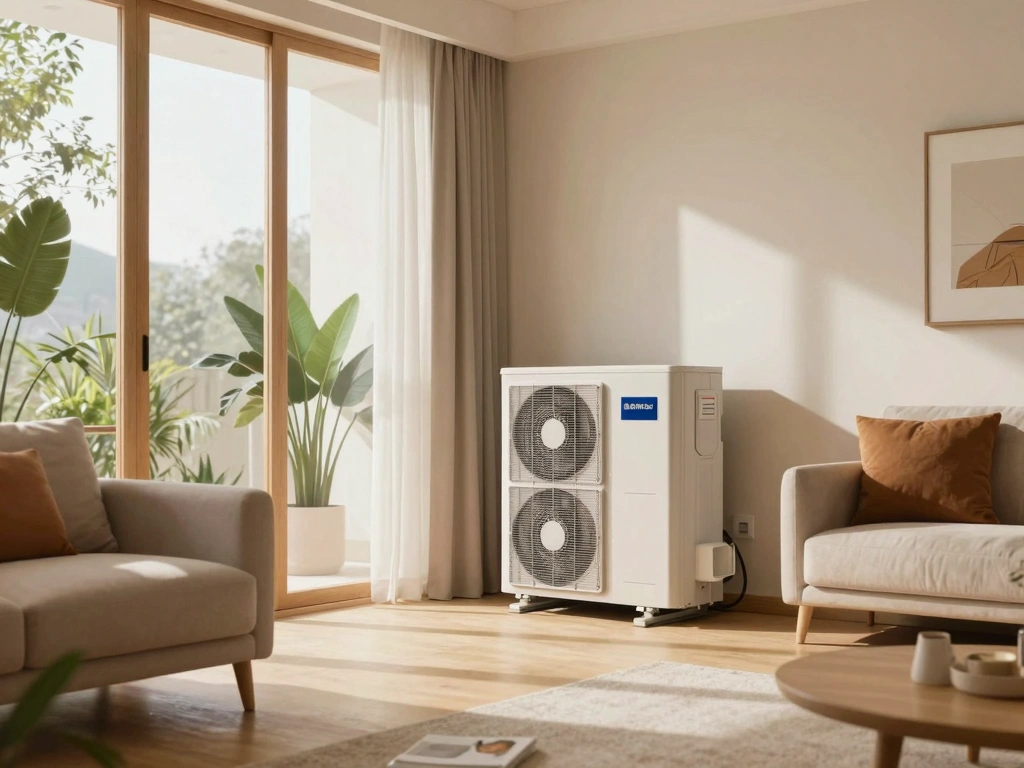
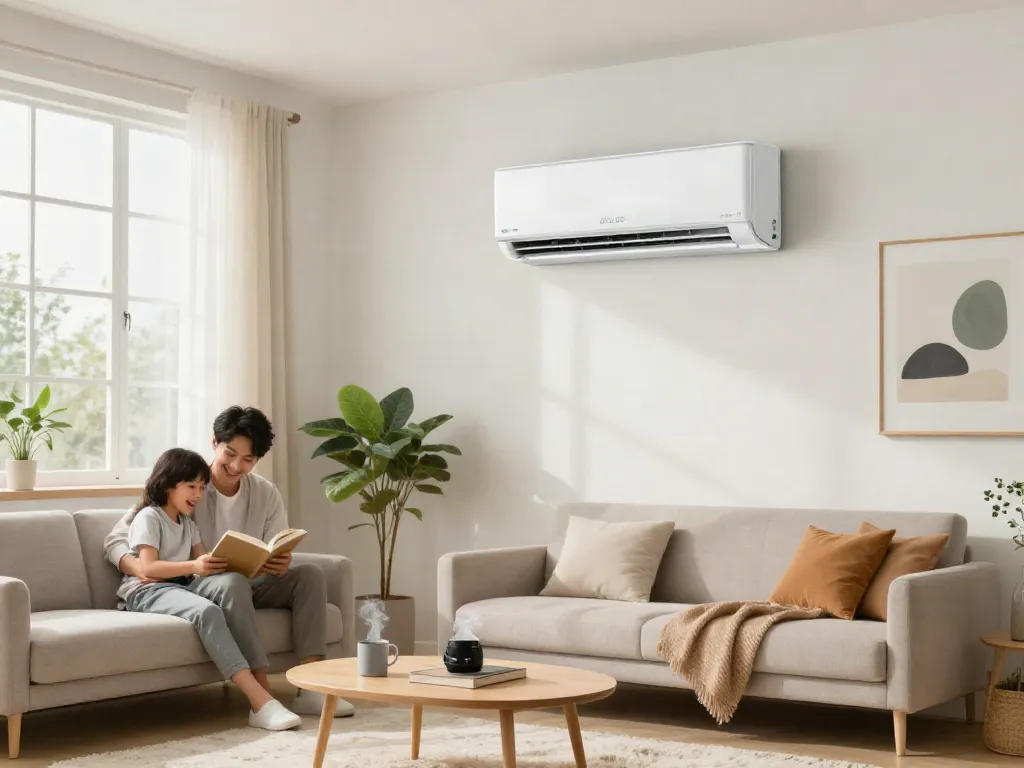
A mini split air conditioner is a type of ductless system that offers both heating and cooling options. It consists of an outdoor compressor unit and one or more indoor units, which are typically mounted on walls or ceilings. This design allows for flexible installation throughout the home without the need for cumbersome ductwork. Mini split systems use refrigerants to transfer heat, making them both efficient and environmentally friendly. Furthermore, the ability to control each indoor unit individually provides homeowners with optimal comfort and energy savings.
Components and Functionality Explained
The primary components of a mini split air conditioner include:
- Outdoor Unit: Houses the compressor and condenser. It expels heat absorbed from the indoor air.
- Indoor Unit(s): Contains the evaporator coil and fan. It absorbs heat from the indoor environment, providing cooling.
- Refrigerant Lines: These connect the indoor and outdoor units, allowing refrigerant to circulate and transfer heat.
- Thermostat/Remote Control: Used to set the desired temperature and operating mode.
The functionality of a mini split system is based on the principles of heat exchange. In cooling mode, the refrigerant absorbs heat from the indoor air and releases it outside, whereas in heating mode, the process is reversed. This dual functionality makes mini splits a versatile choice for homes in varied climates.
Benefits of Mini Split Systems
Mini split air conditioners offer numerous benefits that appeal to modern homeowners:
- Energy Efficiency: Many mini split systems have high SEER ratings, indicating superior energy efficiency compared to conventional systems.
- Zone Control: Individual temperature settings can be programmed for different rooms, allowing for customized comfort and reduced energy usage.
- Quiet Operation: Mini split systems operate more quietly than traditional HVAC systems, enhancing your home’s comfort without disruptive noise.
- Space Saving: With no ductwork required, mini splits can be installed in tight spaces and do not invade room aesthetics.
- Easy Installation: Mini splits are relatively easy to install, often requiring only a small hole for refrigerant lines and electrical wiring.
Installation Process for Mini Split Systems
Installing a mini split air conditioning system can be a straightforward process, but it requires careful planning and execution to achieve optimal performance. Below is a comprehensive overview of what to expect during installation.
Preparing Your Home for Installation
Before the installation begins, it's important to consider the following:
- Choose the Right Location: Indoor units should be placed where airflow is unobstructed and can effectively cool or heat the room.
- Assess Electrical Infrastructure: Ensure that your home’s electrical system can support the mini split unit and that any necessary upgrades are handled prior to installation.
- Obtain Permits: Check local building codes and secure necessary permits for installation.
Step-by-Step Installation Guide
- Install the Outdoor Unit: Choose a location on a stable surface away from direct sunlight and debris.
- Mount the Indoor Unit(s): Secure the indoor unit to the wall, ensuring that it is level and not obstructing airflow.
- Connect Refrigerant Lines: Carefully route the refrigerant lines and connect them between the indoor and outdoor units.
- Connect Electrical Wiring: Ensure that proper electrical connections are made according to the manufacturer’s guidelines.
- Test the System: Once installed, turn on the system and verify that both heating and cooling functions are operating correctly.
Common Installation Mistakes to Avoid
To ensure a successful mini split installation, avoid these common mistakes:
- Incorrect Sizing: Make sure to properly size the system based on the square footage and layout of the area.
- Poor Location Choices: Avoid installing units in areas with limited airflow or areas that receive direct sunlight.
- Neglecting Insulation: Ensure that the building is properly insulated to maximize the efficiency of your mini split system.
Cost Considerations and Financial Insights
Investing in a mini split air conditioner involves several financial considerations, including initial costs and long-term savings. Understanding these factors can help you make an informed decision.
Typical Costs of Mini Split Systems in 2026
The average cost of purchasing and installing a mini split system in 2026 ranges from $3,000 to $8,000. This can vary based on:
- System size and capacity
- Number of indoor units
- Complexity of installation
- Brand and model
While the initial investment may seem high, many homeowners recoup costs through decreased energy bills and enhanced comfort.
Cost vs. Benefits: Is It Worth It?
When weighing the costs against the benefits of a mini split system, consider the potential for energy savings, improved comfort, and increased property value. Many users experience a return on investment within a few years, especially in regions with extreme temperatures.
Financing Options for Mini Split Air Conditioners
For homeowners concerned about the initial cost, numerous financing options are available, including:
- Home Equity Loans: Leverage existing home equity to fund the installation.
- Installment Plans: Many manufacturers and retailers offer financing plans with manageable monthly payments.
- Energy Efficiency Rebates: Investigate local and state rebate programs that promote energy-efficient upgrades.
Maintenance Tips for Optimal Performance
Ensuring the longevity and efficiency of your mini split system requires regular maintenance. Below are key maintenance tips to follow.
Routine Maintenance Checklist
- Clean or replace air filters every 1-2 months.
- Inspect the outdoor unit for debris and clear any obstructions.
- Check drain lines and clean them to prevent clogs.
- Schedule professional maintenance at least once a year.
Signs Your Mini Split Needs Repair
Be on the lookout for these signs indicating that your mini split system may need repair:
- Inconsistent temperatures across different rooms.
- Unusual noises or vibrations during operation.
- Increased energy bills without a corresponding increase in usage.
DIY vs. Professional Maintenance Solutions
While many routine maintenance tasks can be handled by homeowners, certain tasks, such as refrigerant recharging and complex repairs, should only be performed by qualified professionals to ensure safety and compliance with local regulations.
Future Trends in Mini Split Air Conditioning
As technology evolves, so too do the features and capabilities of mini split air conditioners. Let's explore some future trends expected to shape this industry.
Innovations and Technology Advancements Expected in 2026
Future mini split systems are expected to incorporate advanced features such as:
- Smart Thermostats: Enhanced connectivity via smartphone apps and smart home integration.
- Improved Energy Efficiency: Next-generation models boasting higher SEER ratings to reduce consumption.
- Eco-Friendly Refrigerants: Adoption of environmentally friendly refrigerants with low global warming potential.
Environmental Considerations for Mini Split Systems
With increasing focus on sustainability, manufacturers are expected to prioritize eco-friendly production processes and recyclable materials in mini split systems. This aligns with broader energy efficiency goals and regulations aimed at reducing carbon footprints.
Predictions for Market Growth and Consumer Behavior
Market analysts forecast continued growth in the mini split sector as consumer awareness about energy efficiency rises. Homeowners are leaning towards systems that offer both comfort and sustainability, driving demand for innovative solutions that meet these criteria.
What are the downsides of a mini-split AC system?
Despite their many advantages, there are potential downsides to consider, including:
- Initial Cost: Higher upfront costs compared to traditional systems.
- Aesthetic Concerns: Indoor units are visible and may not fit everyone's design preferences.
- Installation Complexity: Requires professional installation, which can add to costs if not included in the purchase price.
Why is my electric bill so high with mini split?
High energy bills can occur for several reasons, including:
- Improper sizing of the unit, leading to overworking.
- Insufficient insulation in the home, causing the system to work harder.
- Neglecting maintenance or having dirty filters, which hinder system efficiency.
What is the typical cost of installing a mini split system?
The typical installation cost ranges between $3,000 and $8,000, factoring in unit price, installation complexities, and regional differences.
Are mini-splits good for air conditioning?
Yes, mini splits are an excellent choice for air conditioning due to their efficiency, flexibility, and ability to provide both heating and cooling. They are particularly beneficial for homeowners looking to enhance zone control and reduce energy consumption.